
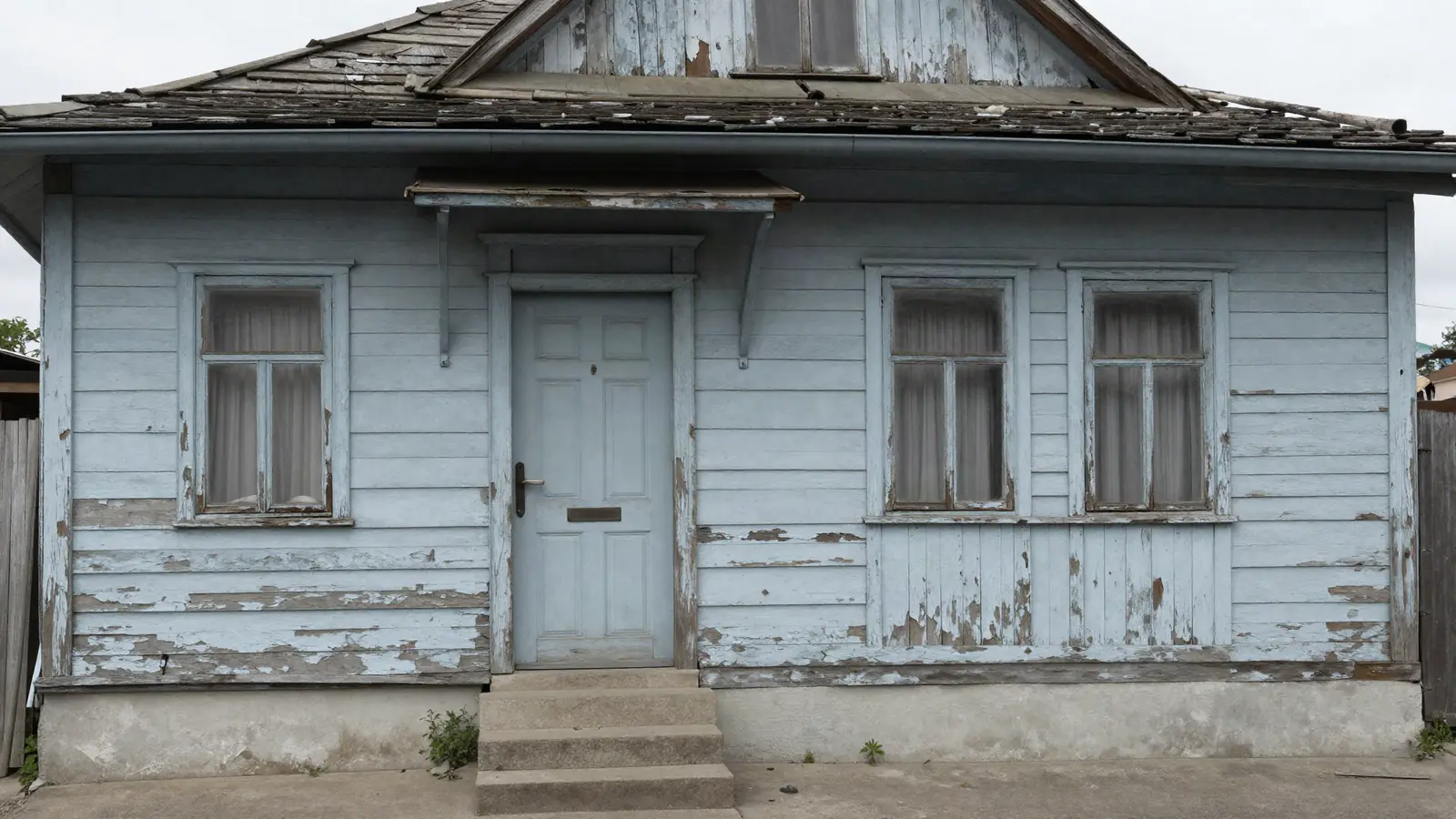
Can I sell a house with open code violations in Cincinnati?
Yes. Open violations do not stop a sale. A buyer with a mortgage may struggle because lenders dislike houses with orders against them, but a cash buyer can close with the orders open and deal with them afterward.
The city's orders are about the building's condition, so whoever owns it is expected to bring it into compliance. When I buy the house, that becomes my job. Tell me what the city has sent you, and I will factor it into the offer rather than surprise you later.
Who enforces housing codes in Cincinnati?
The Property Maintenance Code Enforcement division of the City's Department of Buildings & Inspections. Complaints come in through 311 or the 311Cincy app, an inspector visits, and if there is a violation the owner gets a written order with a deadline to fix it.
The city receives thousands of service requests a year, from tenants, neighbors and its own sweeps of neighborhoods. You can look up a complaint's status through the county's CAGIS reports, and the city's code enforcement page lists the programs, including rental registration and inspection.
What happens if I can't fix the violations?
Unresolved orders can lead to fees, a hearing, and for unsafe buildings, condemnation, barricading and a public nuisance hearing. If a building is declared a nuisance, the city can demolish it and bill the owner for the full cost. Those charges can end up on the property's tax bill.
A building the city orders vacated for code violations also needs a Vacated Building Maintenance License, with a fee that grows each year the building stays empty. My page on selling a vacant house covers the license in more detail.
Do code violations transfer to the new owner?
The condition of the house transfers with it, so the new owner is the one the city expects to fix it. Unpaid city charges that have become liens are paid at closing from the sale price. The title company finds them, so nothing is hidden from either side.
Do not try to hide an order from a buyer. It will come up in the title search or the first city inspection, and it protects you to have disclosed it. With me it is simply part of the price.
What about barricade and demolition orders?
If the city has barricaded the house or scheduled it for a nuisance hearing, time matters. Call me before the city demolishes it and bills you. I buy condemned and barricaded houses, and a sale before demolition can save you the full cost of tearing it down.
The city's Hazard Abatement Program handles barricading and demolition, and its vacant and hazardous buildings page explains the process. Ask the inspector named on your order for the current status of your case.
How does Greg handle open orders at closing?
I read the orders with you before I make an offer, include the work in the price, and take the property with the orders open. After closing I deal with the inspector and the repairs. You walk away from both the house and the orders.
If the house needs work beyond what the city noted, see selling a house that needs repairs. If the city's mowing and cleanup bills have landed on your tax bill, see selling a house with back taxes.
This page is general information, not legal advice. For your situation, talk to an Ohio attorney.
Greg Carpenter is a licensed real estate agent in Ohio. When Deforest Solutions makes you an offer, Greg is buying the house for himself, not as your agent.