
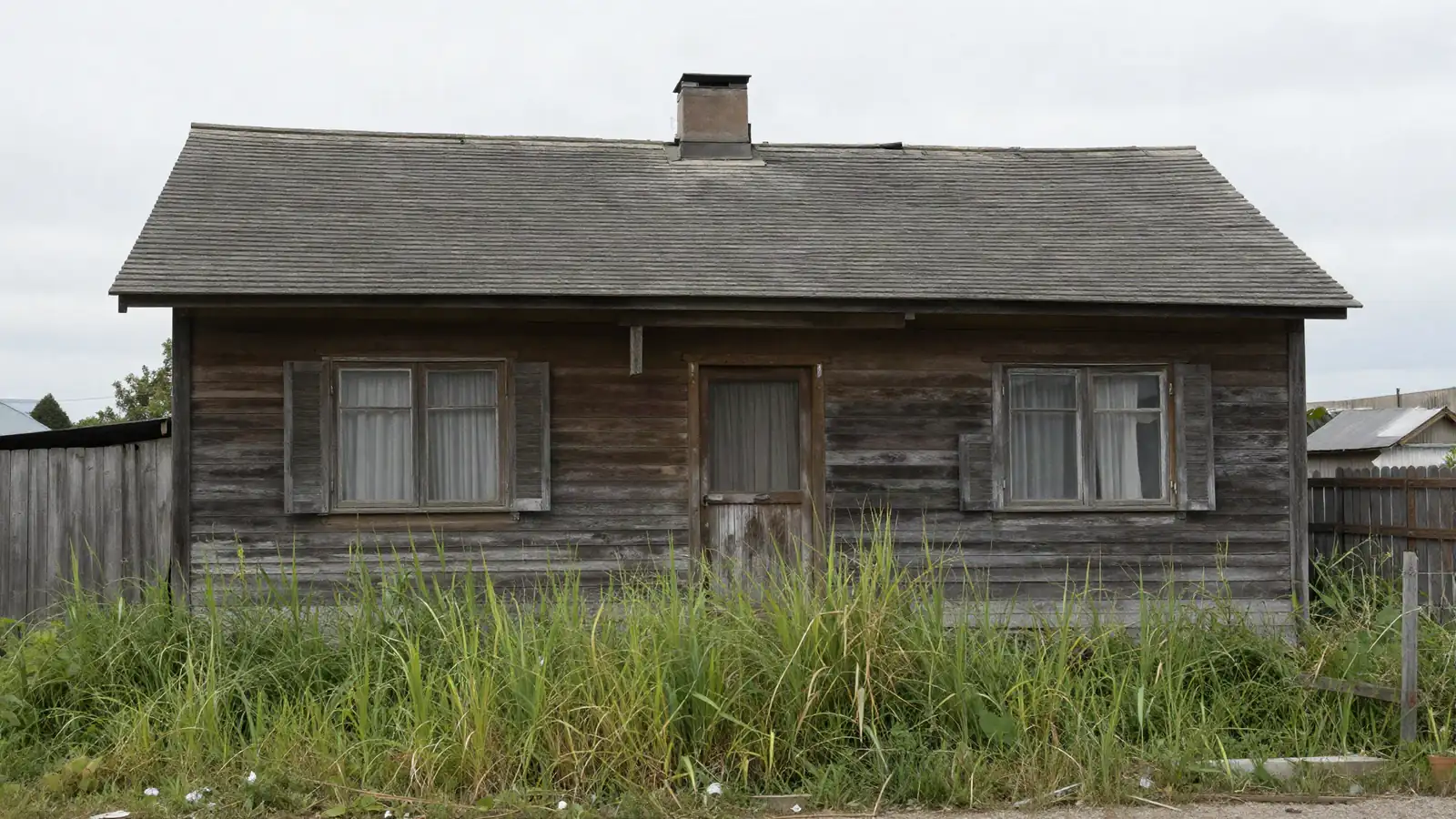
What are the risks of leaving a house empty?
Vacant houses get broken into, stripped of copper, used by squatters and damaged by freezing pipes or roof leaks nobody sees. Many homeowner's insurance policies limit coverage once a house has been empty for a set time. And in Cincinnati, a neglected vacant house draws city complaints, orders and fees.
Read your insurance policy for a vacancy clause. A lot of owners find out after the burst pipe that the policy stopped covering it weeks earlier. A vacant-property policy costs more, and it is one more bill on a house nobody is living in.
Meanwhile the taxes keep coming, the grass keeps growing, and the gutters keep filling. The longer a house sits, the more it costs to sell, and the less it brings.
What is Cincinnati's Vacated Building Maintenance License?
If the city orders a building vacated because of code violations, the owner must get a Vacated Building Maintenance License, known as a VBML, within 30 days of the order. The fee rises with each year the building stays vacant and renews annually. An empty house with no violations does not need one.
The license comes with requirements: insurance, an application, and preservation repairs to keep the building secure and weather-tight. The city's Vacant & Hazardous Buildings page lists the program, and the Department of Buildings & Inspections can tell you the current fee for your building.
What happens if a vacant house gets condemned?
If the city finds a vacant building dangerous, it can condemn it, order it barricaded, and send it to a public nuisance hearing. If the owner does not fix it, the city's Hazard Abatement Program can demolish the building and bill the owner for the full cost.
Those bills can follow the property and land on the tax bill. If a demolition or barricade order has already been issued, call me before the city acts. I buy condemned houses, and a sale can stop the meter from running.
For more on how orders and fines work, see selling a house with code violations in Cincinnati.
How do I sell a vacant house I don't live near?
You do not need to come to Cincinnati. I can see the house with a key from a neighbor, a lockbox or a property manager, send you a written offer, and the title company can handle signing by mail or online notarization. You pick the closing date.
Many of the vacant houses I buy belong to someone who inherited them or moved away years ago. If that is you, my page on selling an inherited house from out of state walks through the paperwork.
Do I have to clean out or fix a vacant house first?
No. I buy vacant houses as they are, including the things left inside, the overgrown yard and the damage from sitting empty. The offer already accounts for the work, and nothing is deducted for what you leave behind.
A house that has been empty for a while often has surprises: water in the basement, a furnace that will not start, animals in the attic. You do not need to find out what they are before you call me. I would rather see it as it is.
What if the vacant house owes back taxes or city bills?
They are paid at closing from the sale price. The title search finds the taxes, any liens for mowing or demolition, and water or sewer charges, and the title company pays them before you are paid.
My page on selling a house with back taxes explains how delinquent taxes work in Hamilton County.
This page is general information, not legal advice. For your situation, talk to an Ohio attorney.
Greg Carpenter is a licensed real estate agent in Ohio. When Deforest Solutions makes you an offer, Greg is buying the house for himself, not as your agent.