
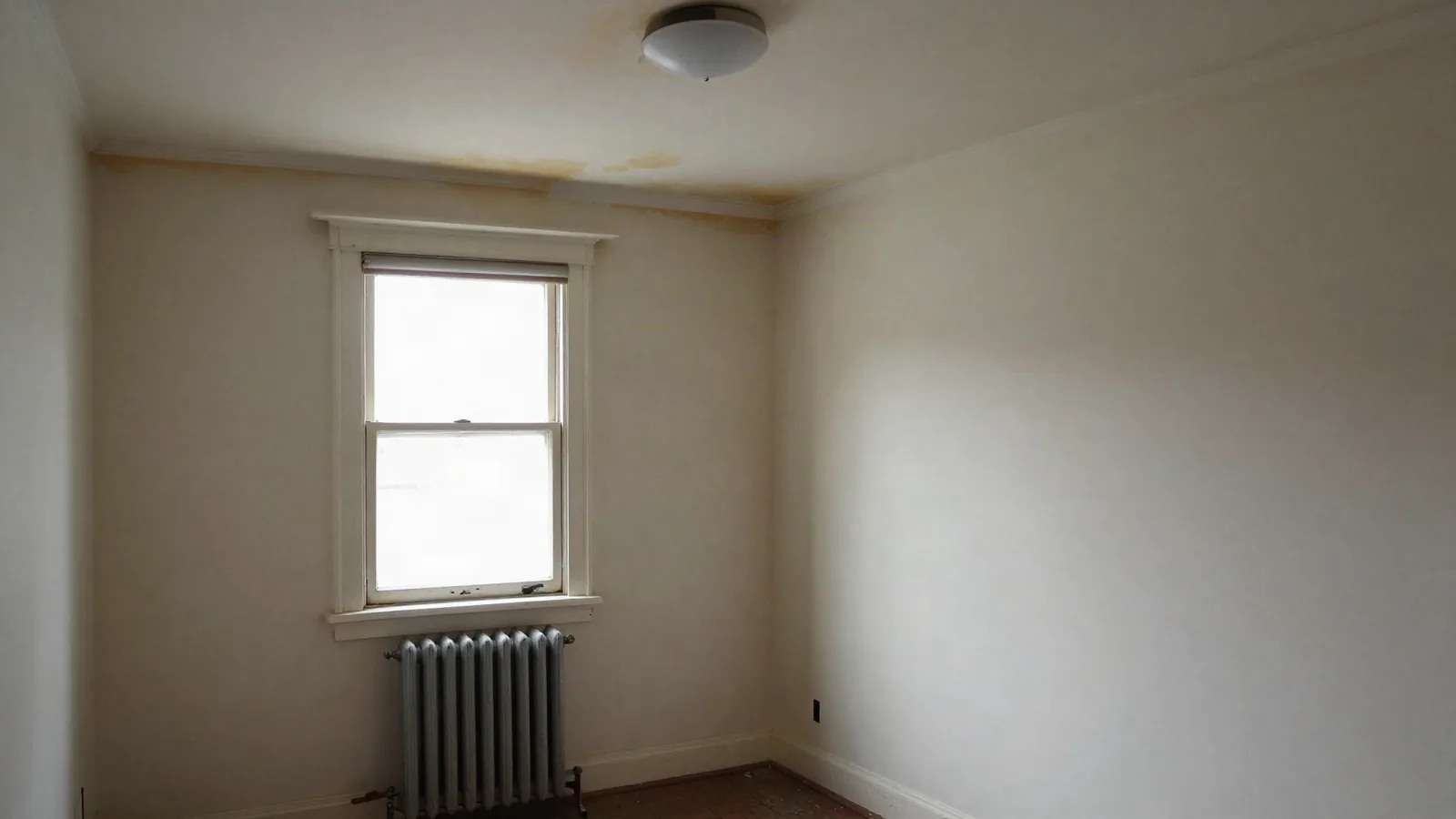
Can I sell a house that needs major repairs?
Yes. Every house can be sold; the question is to whom and for how much. A buyer with a mortgage usually needs the house in decent shape. A cash buyer like me does not, so I can buy a house with a bad roof, an old furnace or a failing sewer line exactly as it stands.
Cincinnati has a lot of beautiful old houses, and old houses need a lot. By the time a house has gone a few decades without big updates, the list can be long enough that it stops making sense to fix it just to sell it. That is exactly the kind of house I buy.
Is it better to fix the house or sell it as-is?
It depends on the numbers and on you. If a few thousand dollars of work would put the house in shape for a buyer with a mortgage, fixing it may net you more. If the list is long, the money is not there, or you do not want to manage contractors, selling as-is is usually faster and less risky.
Big-ticket items add up quickly: a roof, a furnace, a main sewer line, electrical updates, a foundation repair. Each one can cost thousands, and old houses tend to reveal the next problem once the first is opened up. Costs also run before you sell: insurance, utilities, taxes, and the payment on any loan you took for the work.
I will tell you honestly if I think you would do better fixing a couple of things and listing with an agent. Sometimes that is the right answer, and I would rather you get it right than sell to me.
Why won't a buyer's lender approve a house that needs work?
Lenders, especially FHA and VA loans, require the house to meet minimum safety and soundness standards before they lend on it. A leaking roof, missing handrails, exposed wiring or a broken furnace can stop the loan until it is fixed, and the sale falls through.
That is why houses that need work often sit on the market or close late: the buyer wants it, but their bank does not. A cash sale takes the lender out of the picture entirely.
Do I have to disclose the problems?
Most Ohio sellers of a one-to-four family home fill out the residential property disclosure form, describing what they actually know about the roof, water, structure, systems and more. Be honest on it. Selling as-is does not change what you know, and honesty protects you after closing.
The rule is ORC 5302.30, and it has exemptions: estates, court-ordered sales and a few others. With me, the problems you know about are simply part of the conversation. They are why I am buying the house.
What does Greg look at when he makes an offer?
I walk the house with you and look at the roof, the foundation and basement, the furnace and water heater, the electrical panel, the plumbing, windows and anything you point out. Then I estimate the repairs, look at what similar fixed-up houses sell for nearby, and give you a written number within 24 hours.
You do not need to clean, empty or prepare anything for the walkthrough. If there are specific problems, like a foundation issue or fire damage, those pages explain what to expect.
What if the city has written up the house?
Open code orders do not stop a sale to me. I buy houses with open violations and handle the orders after closing. Tell me what the city has sent you so the offer reflects it.
My page on selling a house with code violations in Cincinnati covers how those orders and fines work.
"He was very honest and told me what the market was selling for and what he could offer me. He paid a bit more than he wanted because we knew each other, and he also let the tenant leave anything they didn't want, which was almost a house full. Excellent for me, I didn't have to lift a finger. Would recommend Greg and his business at any time."
Greg Carpenter is a licensed real estate agent in Ohio. When Deforest Solutions makes you an offer, Greg is buying the house for himself, not as your agent.